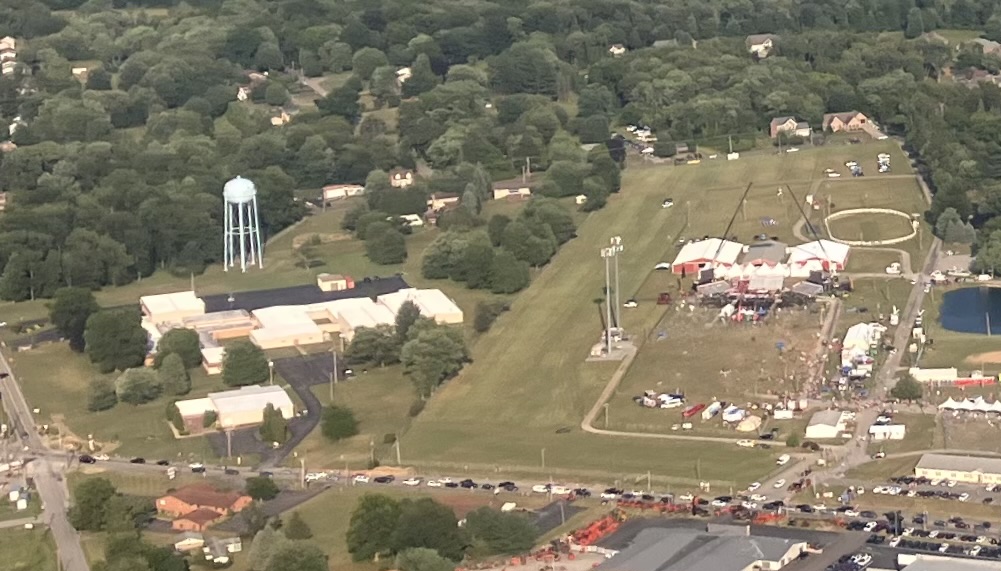
(Scypre.com) – One year after the attempted assassination of former President Donald Trump at a rally in Butler, Pennsylvania, many of those who lived through the harrowing event say the investigation has failed to provide clear answers. Despite the passage of time and the release of some federal reports, key questions remain about how such a high-level security failure occurred and why potential warning signs were missed. As the nation marks the anniversary of the attack, survivors, lawmakers, and the family of the man who died shielding his daughter are still demanding transparency and accountability.
The General Accountability Office (GAO) released a scathing report earlier this year that highlighted critical lapses in Secret Service planning. According to the report, the agency received classified intelligence suggesting a potential threat to the rally nearly ten days before the event, but this information never reached local law enforcement or field agents assigned to the rally site. The GAO identified miscommunications, poor planning, and a delayed decision to deploy counter-sniper teams as serious weaknesses in the lead-up to the attack. Despite these findings, the public has not received a detailed explanation as to why the threat information was not properly disseminated.
Witnesses who attended the rally continue to express deep frustration. Representative Dan Meuser, who was at the scene, has criticized the investigation’s lack of urgency and openness. Local attendees say they are disturbed by how little they still know about what led to the attack and about the shooter himself. Helen Comperatore, the widow of firefighter Corey Comperatore, who was killed while protecting their daughter, has publicly condemned the Secret Service for what she describes as lenient disciplinary measures—temporary suspensions of six agents ranging from 10 to 45 days. She and others argue that such consequences are inadequate given the magnitude of the security breakdown and the tragic loss of life.
Adding to the growing scrutiny, Senator Ron Johnson has subpoenaed the FBI for all materials related to the shooting—including surveillance footage, ballistic evidence, and the digital trail left by the shooter, Thomas Matthew Crooks. So far, the investigation has not produced a clear motive. The FBI has ruled out foreign influence, despite briefly exploring ties to Iran. Crooks, an academically gifted but socially isolated young man, left no manifesto or stated political ideology, leaving the public puzzled about his intentions. His mental health and online activity remain central to the ongoing probe.
The Butler shooting stands as the closest the United States has come to a presidential assassination since the Reagan era. For many, the event exposed troubling gaps in national security preparedness and inter-agency coordination. While former President Trump survived the attack with minor injuries, the incident left behind a legacy of grief, anger, and mistrust. As the country reflects on that day, the call for reform within the Secret Service and more complete disclosure from investigative bodies continues to grow. For victims’ families and concerned citizens alike, closure remains elusive.